
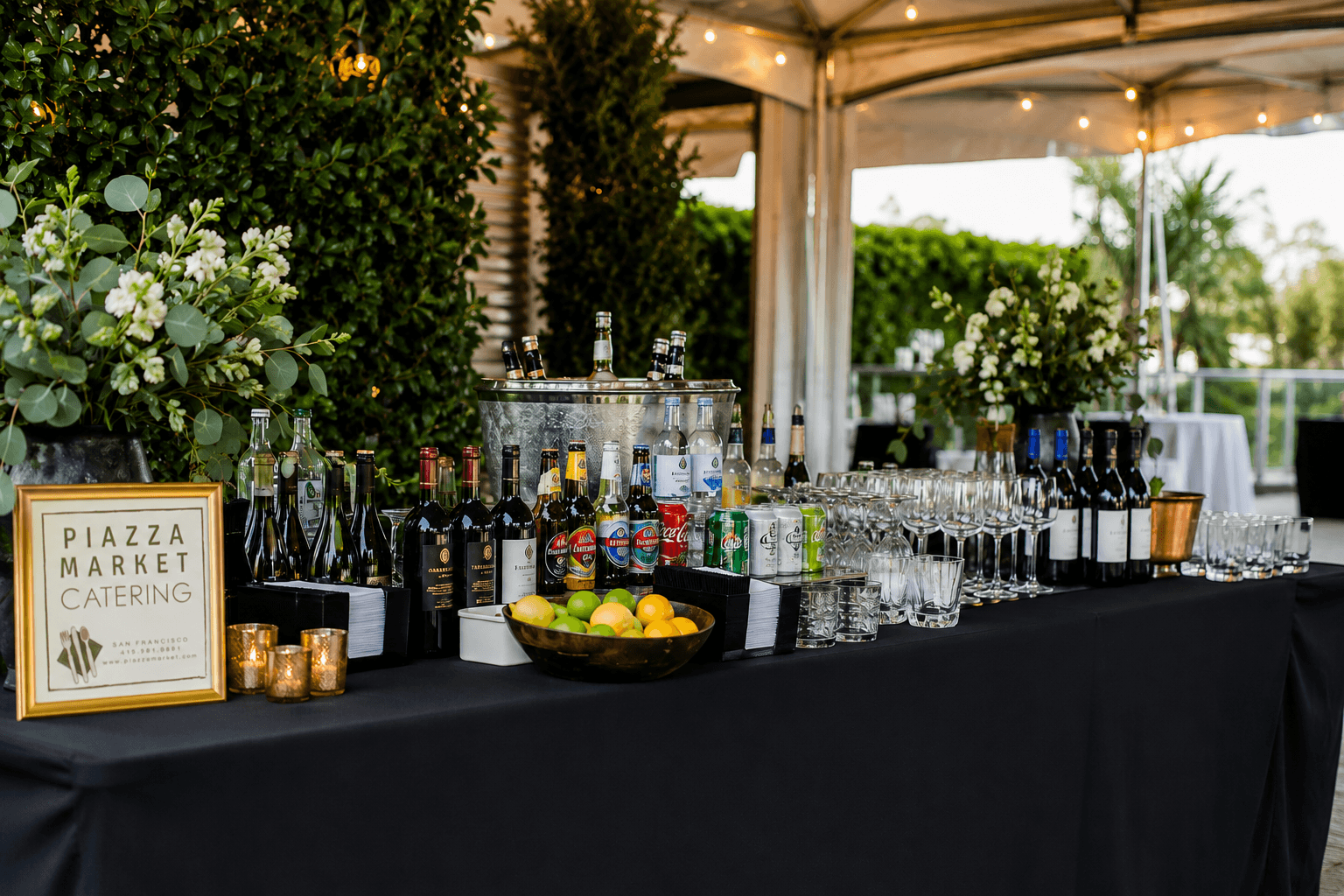
Cocktail reception catering and dinner catering may happen at the same venue, serve the same guests, and use similar ingredients, but the planning differs. A reception is built around movement, conversation, and flexible timing. A dinner is built around seating, pacing, and a more structured meal experience. Understanding the difference helps hosts choose the right service style. Event catering should support the way guests will actually gather. A product launch, networking mixer, wedding welcome party, or gallery-style celebration may need small bites, passed hors d’oeuvres, and stations that encourage mingling. A formal dinner, client appreciation evening, or milestone celebration may need plated courses, buffet service, or a defined dining schedule. Professional planning helps match the menu, staffing, flow, and presentation. Guest Movement Changes The Menu A cocktail reception is designed for standing, walking, and socializing. The food must be easy to enjoy while guests hold a drink, greet others, or move between groups. Items should be neat, balanced, and portioned for conversation-friendly service. Dinner catering has different demands because guests usually sit down, use full place settings, and expect a more complete meal. Cocktail reception menus often focus on: Dinner menus can include larger portions, multi-course pacing, salads, entrées, sides, and desserts served in sequence. The menu does not need to be eaten in one or two bites, so textures, sauces, and plating can be more detailed. Timing And Service Flow Are Different Cocktail receptions often have an open-ended rhythm. Guests may arrive in waves, move around the room, and eat throughout the event. This means the catering plan must account for replenishment, tray circulation, station placement, and peak arrival periods. Some guests may eat right away, while others may socialize first. Dinner service usually follows a clearer timeline. Guests arrive, find seats, listen to remarks, and eat in a coordinated sequence. A seated dinner may require synchronized service, table assignments, and a carefully timed kitchen schedule. A buffet dinner may still follow a structure, with tables released in order and menu items replenished in larger batches. The main difference is control. Dinner catering can guide guests through a beginning, middle, and end. Cocktail service must feel effortless even when guests are moving unpredictably. That is why staffing, station design, and food pacing become so important. Staffing Needs Depend On The Format The service team for a cocktail reception must manage movement. Servers may pass trays, refresh displays, clear small plates, guide guests toward stations, and keep the space tidy without interrupting conversations. The staff also watches traffic patterns so popular stations do not create bottlenecks. Staffing considerations include: Dinner service needs a different kind of coordination. Plated meals require timing between the kitchen and service staff. Buffet service requires line management, replenishment, and table flow. Family-style service requires enough table space and careful portion planning. Each format can be elegant, but each one needs a different operational plan. Presentation Should Match The Event Goal A cocktail reception is often chosen when the host wants energy, interaction, and a less formal atmosphere. The presentation should support that goal. Food stations can create conversation points. Passed bites can keep the room active. Displays can add color, texture, and visual interest without forcing guests into assigned seats. Dinner catering usually communicates a more traditional sense of hospitality. Guests are given a place, a plate, and time to enjoy a fuller meal. This can be ideal for speeches, awards, family celebrations, and events where the meal is central. The best choice depends on the event goal. A networking reception may feel awkward if everyone is seated too early. A formal anniversary dinner may feel incomplete if guests only receive small bites. Professional catering guidance helps the host avoid mismatches between the menu and the mood. Practical details also matter. A reception may need more high-top tables and fewer dining chairs. A dinner may require floor plans, table service, rentals, and a longer meal window. Cocktail menus need variety because guests build their own experience from several small selections. Dinner menus need portion planning because every guest receives a defined meal. Shape The Meal Around The Moment Cocktail reception catering and dinner catering both work beautifully when the service style matches the occasion. A reception supports movement, conversation, and flexible tasting. A dinner supports structure, pacing, and a fuller seated experience. For thoughtful menu planning, polished service, corporate catering, cocktail receptions, seated dinners, buffet dinners, and event support, contact Piazza Market Catering and Events.
Why Custom Menus Elevate Corporate Catering Events
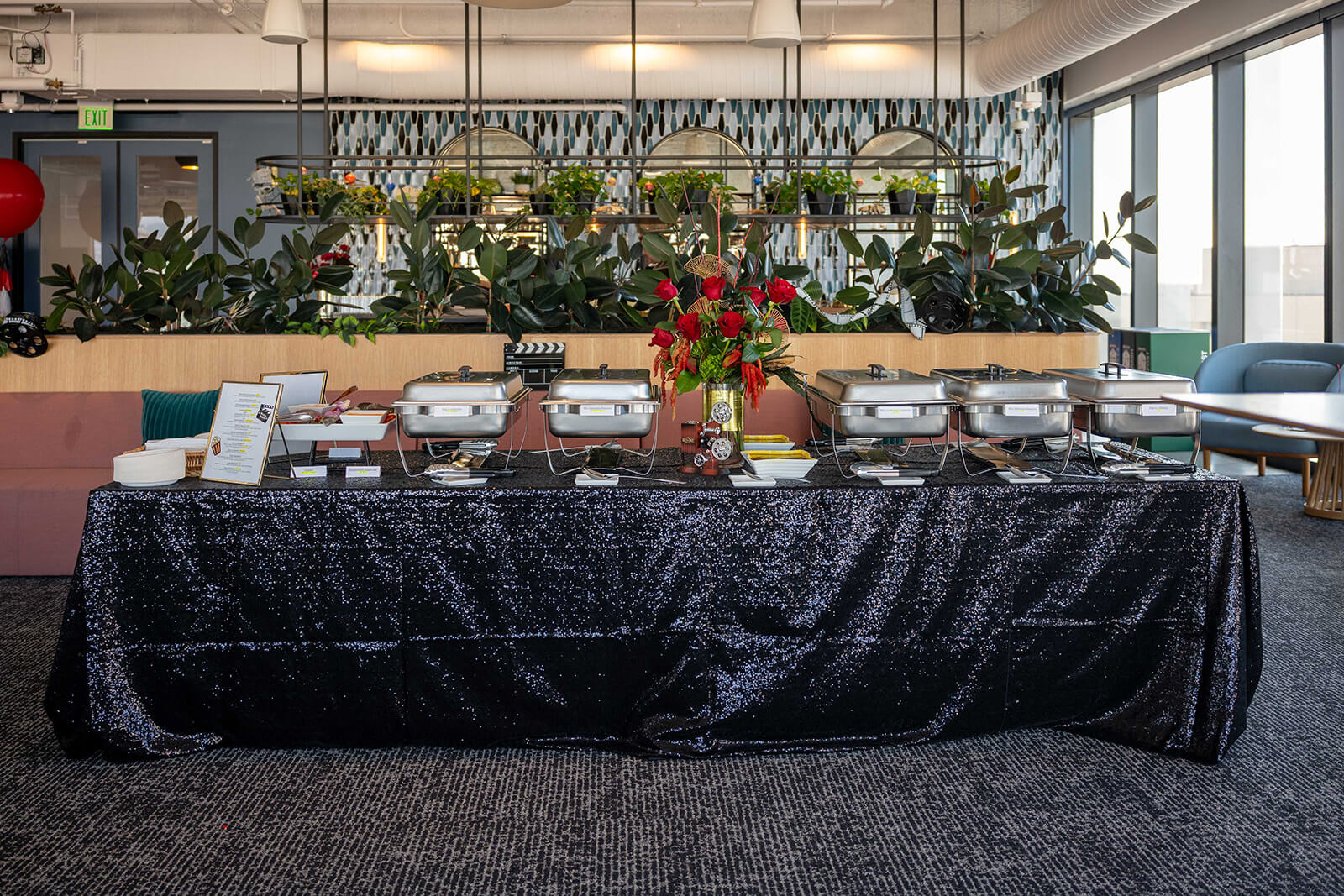
Corporate events often need more than a standard food spread. A client reception, leadership dinner, employee celebration, product launch, training day, or networking event has its own purpose, audience, schedule, and tone. Custom menus help align the meal with that purpose instead of forcing every group into the same format. Professional event catering can support cocktail receptions, seated dinners, buffet dinners, and cocktail-style service, but the strongest results come from matching those options to the event’s goals. A custom menu helps control pacing, portion style, presentation, dietary needs, and guest experience. It also gives planners more confidence that the food will feel intentional, not simply available. For corporate hosts, that difference matters because food can influence how guests interact, how smoothly the agenda moves, and how polished the entire event feels. Custom Menus Match The Event’s Purpose Every corporate event has a reason for bringing people together. A networking reception may need small bites that are easy to enjoy while standing. A board dinner may need a more formal seated format. A company lunch may require efficient buffet service so attendees can return to the agenda on time. A client appreciation event may benefit from a more refined menu that encourages conversation without slowing the room. A custom menu can account for: These details matter because food affects how guests move through the room. Heavy dishes may not suit a standing reception. Small bites may not be enough for a dinner-length event. Buffet service may need multiple access points for larger groups. A custom approach helps the service style support the event rather than interrupt it. Menu Flexibility Improves Guest Comfort Corporate groups often include guests with different preferences, schedules, cultures, and dietary needs. A custom menu allows planners to provide variety while keeping the service organized. This does not mean creating an overly complicated menu. It means choosing balanced options that work for the group and the setting. A thoughtful menu may include: Guest comfort is one of the main reasons custom menus matter. When people can find something appropriate without confusion, the event feels more professional. Clear planning also helps the catering team manage service flow, replenishment, and presentation. Instead of reacting to gaps during the event, the team can prepare for guest needs ahead of time. Menu flexibility also helps protect the event schedule. If guests move through service easily, breaks stay on time, and conversations continue naturally. A menu built for the event’s format can reduce congestion, improve satisfaction, and make the host look prepared. Presentation And Timing Depend On Menu Design Food is part of the event’s visual experience. The way it is arranged, served, and refreshed can influence how guests perceive the host. A well-planned buffet, polished seated dinner, or carefully arranged cocktail reception communicates attention to detail. Menu design also has a direct effect on timing. A 45-minute lunch break cannot be planned like a two-hour dinner. A reception after a long conference day should feel generous but not slow. Custom presentation planning may consider: Corporate events often carry brand and relationship value. A menu that looks rushed or generic can feel disconnected from the rest of the event. A custom menu can complement the venue, dress code, agenda, and guest profile. It helps the meal feel like part of the experience, not a separate task. Professional guidance is especially helpful when the event has multiple parts. A company may need coffee service in the morning, a buffet lunch at noon, and a cocktail reception in the evening. Each moment should feel distinct while still fitting the same overall plan. The real value of a custom menu is coordination. It brings menu choices, staffing, timing, room flow, and guest experience into one event-ready plan. That level of planning is difficult to replace with a one-size-fits-all menu, especially when the event reflects the company’s standards. Serve A Corporate Event With More Intention Custom menus help corporate catering feel organized, polished, and aligned with the reason people gathered. For professional help with event catering, cocktail receptions, seated dinners, buffet dinners, and cocktail-style service, contact Piazza Market Catering and Events.

How To Plan Catering For A 200-Person Conference
A 200-person conference needs catering that supports the event schedule, not just the appetite of the room. Attendees may move from registration to sessions, breaks, networking, lunch, and closing remarks in a tight timeline. If food service is slow, understaffed, or poorly placed, the program can feel delayed. Professional event catering helps planners organize food around guest count, room layout, service style, menu timing, and staff flow. Details such as buffet placement, beverage access, dietary needs, replenishment, and cleanup matter as much as the menu itself. The goal is to keep people comfortable, focused, and moving smoothly. Start With The Schedule And Service Format The conference agenda should guide the catering plan. A breakfast setup for early arrivals has different needs from a mid-morning break, seated lunch, buffet dinner, or cocktail reception after the program. Before selecting dishes, planners should confirm how long each food window lasts and how quickly 200 guests need to be served. Important planning points include: A buffet dinner or lunch can work well when lines are planned carefully. A seated dinner may create a more formal experience, but it requires stronger timing and staffing. Cocktail-style service can support networking, but portions and flow must be calculated so guests feel satisfied. Build A Menu That Works For The Room A conference menu should be practical, polished, and easy to serve at scale. The best choices hold well, present cleanly, and fit the time available. For a 200-person event, planners should consider how food will look after repeated service, how quickly items can be replenished, and whether dishes are easy to eat during networking or short breaks. Menu planning should address: A heavy lunch may slow attendees during afternoon sessions, while too little food can make guests distracted. Menu style should also match the purpose of the event. A corporate training may need efficient meal service. A client conference may require a more elevated presentation. A networking reception may benefit from passed bites and stations that encourage movement. Professional guidance helps align the menu with the venue, schedule, and guest expectations. Experience with seated dinner, buffet dinner, cocktail reception, and cocktail sample menu planning becomes valuable when scale and timing must work together. Plan Staffing, Lines, And Replenishment Early For 200 guests, service flow can make or break the experience. Long lines, empty platters, unclear stations, or slow beverage service can interrupt the agenda. Staffing should be planned around the guest count, service style, venue layout, and timeline. Operational details to confirm include: A 200-person lunch may need multiple access points so guests are not stuck in one line. Coffee and water should be placed where attendees can refill without blocking doors or registration tables. Cleanup should be timed so that movement does not distract from sessions. Experienced caterers can flag narrow hallways, limited elevators, short setup windows, or service tables that compete with foot traffic. Those small adjustments help the event feel organized and less rushed. Confirm Final Details Before The Event The final planning stage should turn the catering plan into a working schedule. Guest count, menu selections, dietary notes, venue access, room layout, equipment needs, and service timing should be confirmed before the event day. A 200-person conference leaves little room for vague assumptions. Planners should also confirm who handles rentals, linens, serving equipment, waste removal, leftover procedures, and vendor communication. If the event includes several food moments, each one should have its own timing, setup plan, and point of contact. The strongest catering plans are detailed but flexible. Conferences can shift because speakers run over, registration takes longer, or networking lasts longer than expected. A professional team can adjust within reason while keeping food quality and service flow steady. Good catering supports the event’s purpose. It keeps attendees comfortable, gives the schedule structure, and helps the host present a polished experience. Professional planning is the difference between food being served and the event being supported. Feed The Day With Confidence A 200-person conference needs catering that is organized, timely, and suited to the event flow. For professional help with event catering, cocktail receptions, seated dinners, buffet dinners, and cocktail-style service, contact Piazza Market Catering and Events.
What To Know Before Booking A Caterer For Weddings
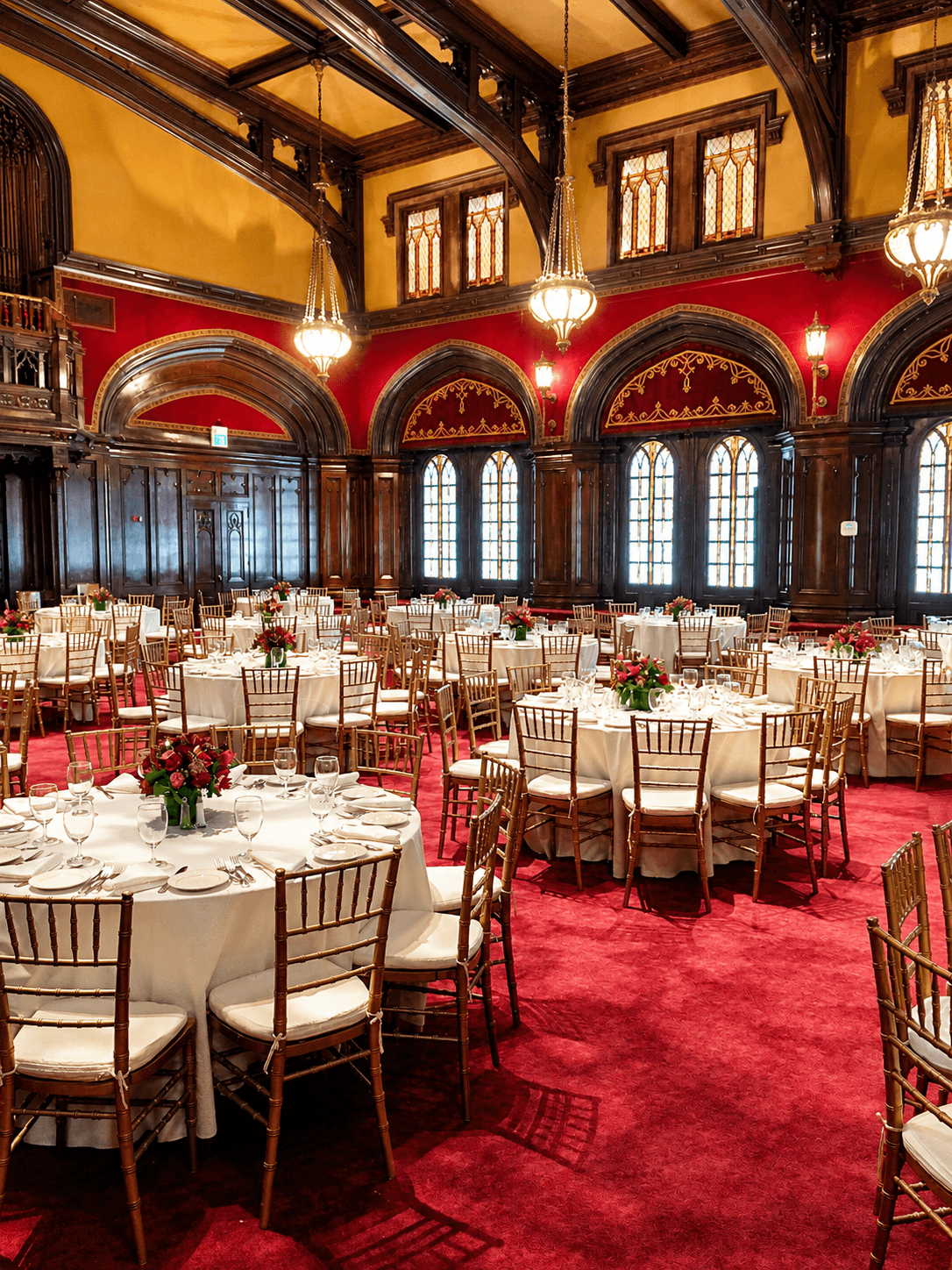
Wedding catering shapes more than the meal. It affects the pace of the reception, guest comfort, speech timing, and how smoothly the couple can enjoy the day. Before booking a caterer, couples should look beyond the menu and ask how the service will support the full event experience. Professional event catering is built around planning, timing, presentation, staffing, and food quality. A wedding may include a cocktail reception, seated dinner, buffet dinner, passed bites, or a relaxed reception layout. Each choice changes the flow of the day. The right caterer should be able to explain what fits the guest count, venue rules, schedule, and overall feel. Understand The Service Style Before Comparing Menus Couples often start with food options, but service style should come first. A beautiful menu can feel disorganized if the format does not match the venue or timeline. A seated dinner creates a formal, controlled pace. A buffet dinner allows guests more choice and movement. A cocktail reception works well when the celebration is social, open, and flexible. Before narrowing the menu, review: These details help prevent service gaps. A buffet may need enough lines to avoid long waits. A seated dinner may need precise timing between courses. A cocktail-style event needs careful portion planning so guests feel satisfied, not just entertained. Service style should also reflect the mood of the wedding. Match The Menu To The Timeline Wedding menus should support the schedule instead of competing with it. The caterer should understand when guests arrive, how long the ceremony-to-reception transition will take, and when the main meal should begin. Food should be ready at the right moment, held properly, and served in a way that keeps the evening moving. Important menu-planning questions include: A professional caterer can guide couples toward menu choices that taste good and perform well in real event conditions. Some dishes are better suited to plated service, while others work beautifully for buffet or reception-style service. The goal is not only to choose a favorite food, but to make sure the meal arrives fresh, organized, and appropriate for the setting. Couples should also ask how tastings, sample menus, and final selections are handled. A tasting can clarify flavor preferences, portion expectations, and presentation style before the wedding day. Confirm Staffing, Setup, And Communication Details Catering depends on coordination. Even excellent food can feel rushed or confusing without enough staff, clear communication, and an organized setup. Before booking, couples should ask who will manage the event, how the catering team coordinates with planners or venue staff, and what information must be finalized before the wedding. Key service details to confirm include: This stage is especially important for venues with strict rules, limited kitchen access, elevator restrictions, or short setup windows. A caterer should know what they need from the venue and explain what the couple is responsible for providing. Clear planning helps avoid day-of confusion. It is also wise to discuss how the catering team handles unexpected changes. Weddings are detailed events, and small timing shifts are common. Professional teams are prepared to adjust within reason while keeping food quality and service flow intact. Couples should also ask about cleanup, leftover handling, staff departure time, and how the service area will be returned. A wedding caterer should bring more than a list of dishes. The strongest value comes from experience with event flow, guest service, pacing, and problem-solving. Good catering helps guests feel cared for without drawing attention away from the celebration. Food should arrive on time, service should feel polished, and the meal should match the couple’s vision. The best choice is a team that listens carefully, explains clearly, and has the service structure to support the wedding from setup through cleanup. That trust helps couples stay focused on the celebration itself. Serve The Celebration With Confidence Wedding catering should feel organized, thoughtful, and suited to the day’s rhythm. For professional help with event catering, cocktail receptions, seated dinners, buffet dinners, cocktail-style service, and wedding reception planning, contact Piazza Market Catering and Events. cocktail receptions, seated dinners, buffet dinners, and event support, contact Piazza Market Catering and Events.