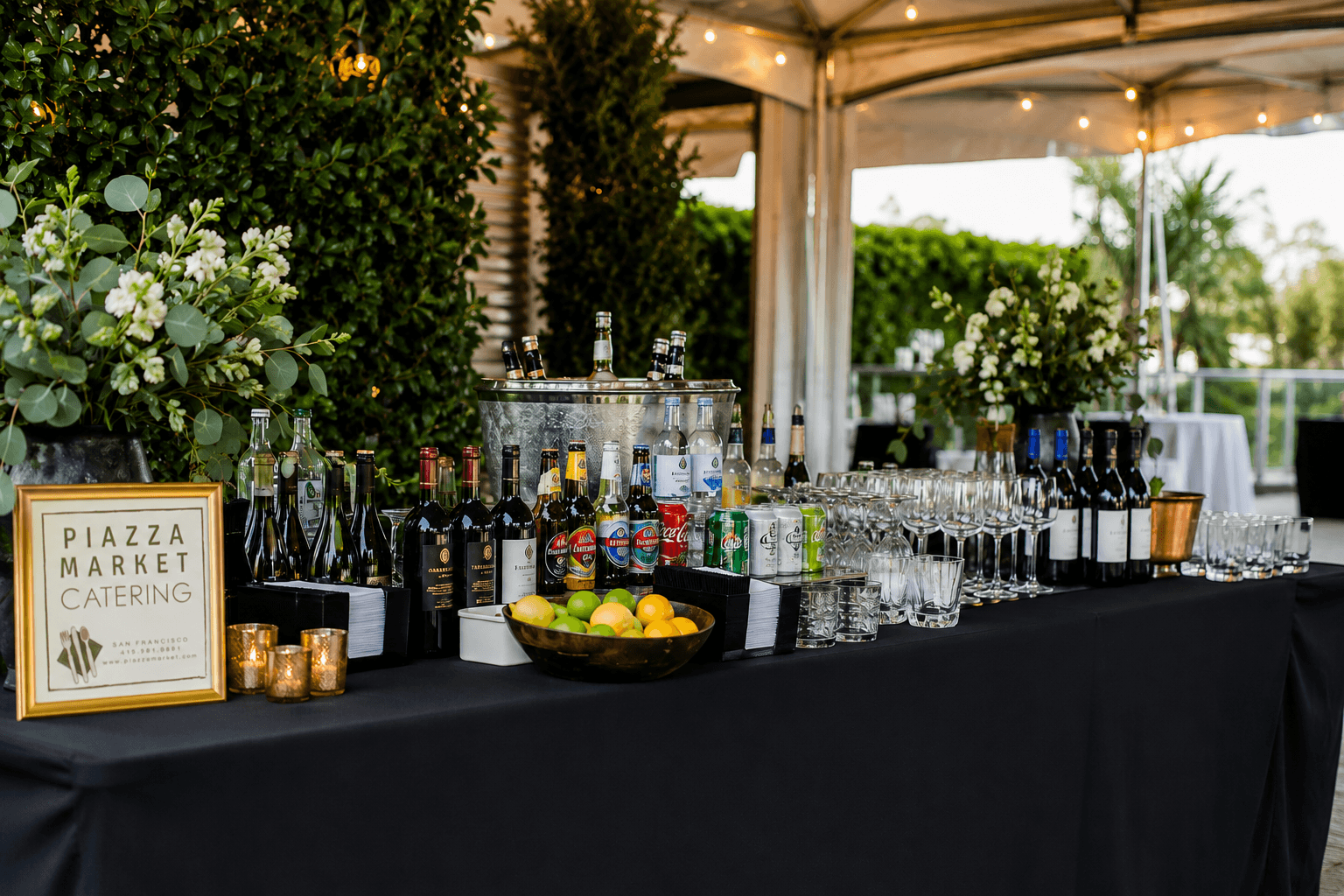
Cocktail reception catering and dinner catering may happen at the same venue, serve the same guests, and use similar ingredients, but the planning differs. A reception is built around movement, conversation, and flexible timing. A dinner is built around seating, pacing, and a more structured meal experience. Understanding the difference helps hosts choose the right service style. Event catering should support the way guests will actually gather. A product launch, networking mixer, wedding welcome party, or gallery-style celebration may need small bites, passed hors d’oeuvres, and stations that encourage mingling. A formal dinner, client appreciation evening, or milestone celebration may need plated courses, buffet service, or a defined dining schedule. Professional planning helps match the menu, staffing, flow, and presentation. Guest Movement Changes The Menu A cocktail reception is designed for standing, walking, and socializing. The food must be easy to enjoy while guests hold a drink, greet others, or move between groups. Items should be neat, balanced, and portioned for conversation-friendly service. Dinner catering has different demands because guests usually sit down, use full place settings, and expect a more complete meal. Cocktail reception menus often focus on: Dinner menus can include larger portions, multi-course pacing, salads, entrées, sides, and desserts served in sequence. The menu does not need to be eaten in one or two bites, so textures, sauces, and plating can be more detailed. Timing And Service Flow Are Different Cocktail receptions often have an open-ended rhythm. Guests may arrive in waves, move around the room, and eat throughout the event. This means the catering plan must account for replenishment, tray circulation, station placement, and peak arrival periods. Some guests may eat right away, while others may socialize first. Dinner service usually follows a clearer timeline. Guests arrive, find seats, listen to remarks, and eat in a coordinated sequence. A seated dinner may require synchronized service, table assignments, and a carefully timed kitchen schedule. A buffet dinner may still follow a structure, with tables released in order and menu items replenished in larger batches. The main difference is control. Dinner catering can guide guests through a beginning, middle, and end. Cocktail service must feel effortless even when guests are moving unpredictably. That is why staffing, station design, and food pacing become so important. Staffing Needs Depend On The Format The service team for a cocktail reception must manage movement. Servers may pass trays, refresh displays, clear small plates, guide guests toward stations, and keep the space tidy without interrupting conversations. The staff also watches traffic patterns so popular stations do not create bottlenecks. Staffing considerations include: Dinner service needs a different kind of coordination. Plated meals require timing between the kitchen and service staff. Buffet service requires line management, replenishment, and table flow. Family-style service requires enough table space and careful portion planning. Each format can be elegant, but each one needs a different operational plan. Presentation Should Match The Event Goal A cocktail reception is often chosen when the host wants energy, interaction, and a less formal atmosphere. The presentation should support that goal. Food stations can create conversation points. Passed bites can keep the room active. Displays can add color, texture, and visual interest without forcing guests into assigned seats. Dinner catering usually communicates a more traditional sense of hospitality. Guests are given a place, a plate, and time to enjoy a fuller meal. This can be ideal for speeches, awards, family celebrations, and events where the meal is central. The best choice depends on the event goal. A networking reception may feel awkward if everyone is seated too early. A formal anniversary dinner may feel incomplete if guests only receive small bites. Professional catering guidance helps the host avoid mismatches between the menu and the mood. Practical details also matter. A reception may need more high-top tables and fewer dining chairs. A dinner may require floor plans, table service, rentals, and a longer meal window. Cocktail menus need variety because guests build their own experience from several small selections. Dinner menus need portion planning because every guest receives a defined meal. Shape The Meal Around The Moment Cocktail reception catering and dinner catering both work beautifully when the service style matches the occasion. A reception supports movement, conversation, and flexible tasting. A dinner supports structure, pacing, and a fuller seated experience. For thoughtful menu planning, polished service, corporate catering, cocktail receptions, seated dinners, buffet dinners, and event support, contact Piazza Market Catering and Events.