Corporate events often need more than a standard food spread. A client reception, leadership dinner, employee celebration, product launch, training day, or networking event has its own purpose, audience, schedule, and tone. Custom menus help align the meal with that purpose instead of forcing every group into the same format.
Professional event catering can support cocktail receptions, seated dinners, buffet dinners, and cocktail-style service, but the strongest results come from matching those options to the event’s goals. A custom menu helps control pacing, portion style, presentation, dietary needs, and guest experience. It also gives planners more confidence that the food will feel intentional, not simply available. For corporate hosts, that difference matters because food can influence how guests interact, how smoothly the agenda moves, and how polished the entire event feels.
Custom Menus Match The Event’s Purpose
Every corporate event has a reason for bringing people together. A networking reception may need small bites that are easy to enjoy while standing. A board dinner may need a more formal seated format. A company lunch may require efficient buffet service so attendees can return to the agenda on time. A client appreciation event may benefit from a more refined menu that encourages conversation without slowing the room.
A custom menu can account for:
- Guest count, room layout, seating style, and traffic flow
- Event length, speaking schedule, networking time, and service windows
- Desired tone, from polished and formal to relaxed and social
- Client, employee, leadership, or partner expectations
- Menu format, including cocktail reception, seated dinner, buffet dinner, or cocktail service
These details matter because food affects how guests move through the room. Heavy dishes may not suit a standing reception. Small bites may not be enough for a dinner-length event. Buffet service may need multiple access points for larger groups. A custom approach helps the service style support the event rather than interrupt it.
Menu Flexibility Improves Guest Comfort
Corporate groups often include guests with different preferences, schedules, cultures, and dietary needs. A custom menu allows planners to provide variety while keeping the service organized. This does not mean creating an overly complicated menu. It means choosing balanced options that work for the group and the setting.
A thoughtful menu may include:
- Vegetarian, gluten-conscious, or allergy-aware options when needed
- Lighter choices for daytime meetings or training sessions
- Heartier selections for evening receptions or seated dinners
- Easy-to-eat items for networking, standing service, or short breaks
- Clear presentation and labeling so guests can choose with confidence
Guest comfort is one of the main reasons custom menus matter. When people can find something appropriate without confusion, the event feels more professional. Clear planning also helps the catering team manage service flow, replenishment, and presentation. Instead of reacting to gaps during the event, the team can prepare for guest needs ahead of time.
Menu flexibility also helps protect the event schedule. If guests move through service easily, breaks stay on time, and conversations continue naturally. A menu built for the event’s format can reduce congestion, improve satisfaction, and make the host look prepared.
Presentation And Timing Depend On Menu Design
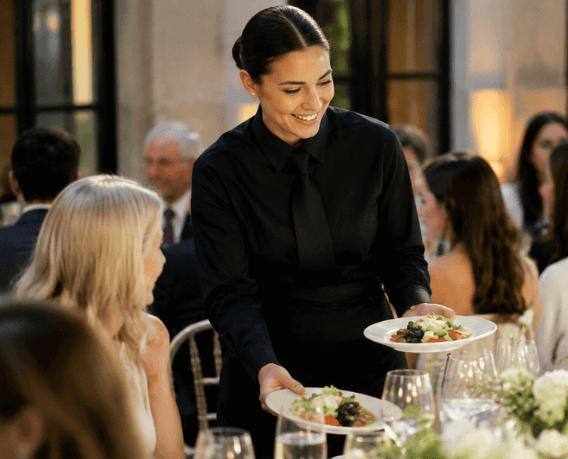
Food is part of the event’s visual experience. The way it is arranged, served, and refreshed can influence how guests perceive the host. A well-planned buffet, polished seated dinner, or carefully arranged cocktail reception communicates attention to detail. Menu design also has a direct effect on timing. A 45-minute lunch break cannot be planned like a two-hour dinner. A reception after a long conference day should feel generous but not slow.
Custom presentation planning may consider:
- Whether the event needs formal plating, buffet displays, or passed bites
- How food stations fit the room without blocking movement
- How menu colors, textures, and portions appear during service
- How often do items need replenishment to keep displays clean
- How dessert, beverages, and final service moments should be timed
Corporate events often carry brand and relationship value. A menu that looks rushed or generic can feel disconnected from the rest of the event. A custom menu can complement the venue, dress code, agenda, and guest profile. It helps the meal feel like part of the experience, not a separate task.
Professional guidance is especially helpful when the event has multiple parts. A company may need coffee service in the morning, a buffet lunch at noon, and a cocktail reception in the evening. Each moment should feel distinct while still fitting the same overall plan. The real value of a custom menu is coordination. It brings menu choices, staffing, timing, room flow, and guest experience into one event-ready plan. That level of planning is difficult to replace with a one-size-fits-all menu, especially when the event reflects the company’s standards.
Serve A Corporate Event With More Intention
Custom menus help corporate catering feel organized, polished, and aligned with the reason people gathered. For professional help with event catering, cocktail receptions, seated dinners, buffet dinners, and cocktail-style service, contact Piazza Market Catering and Events.