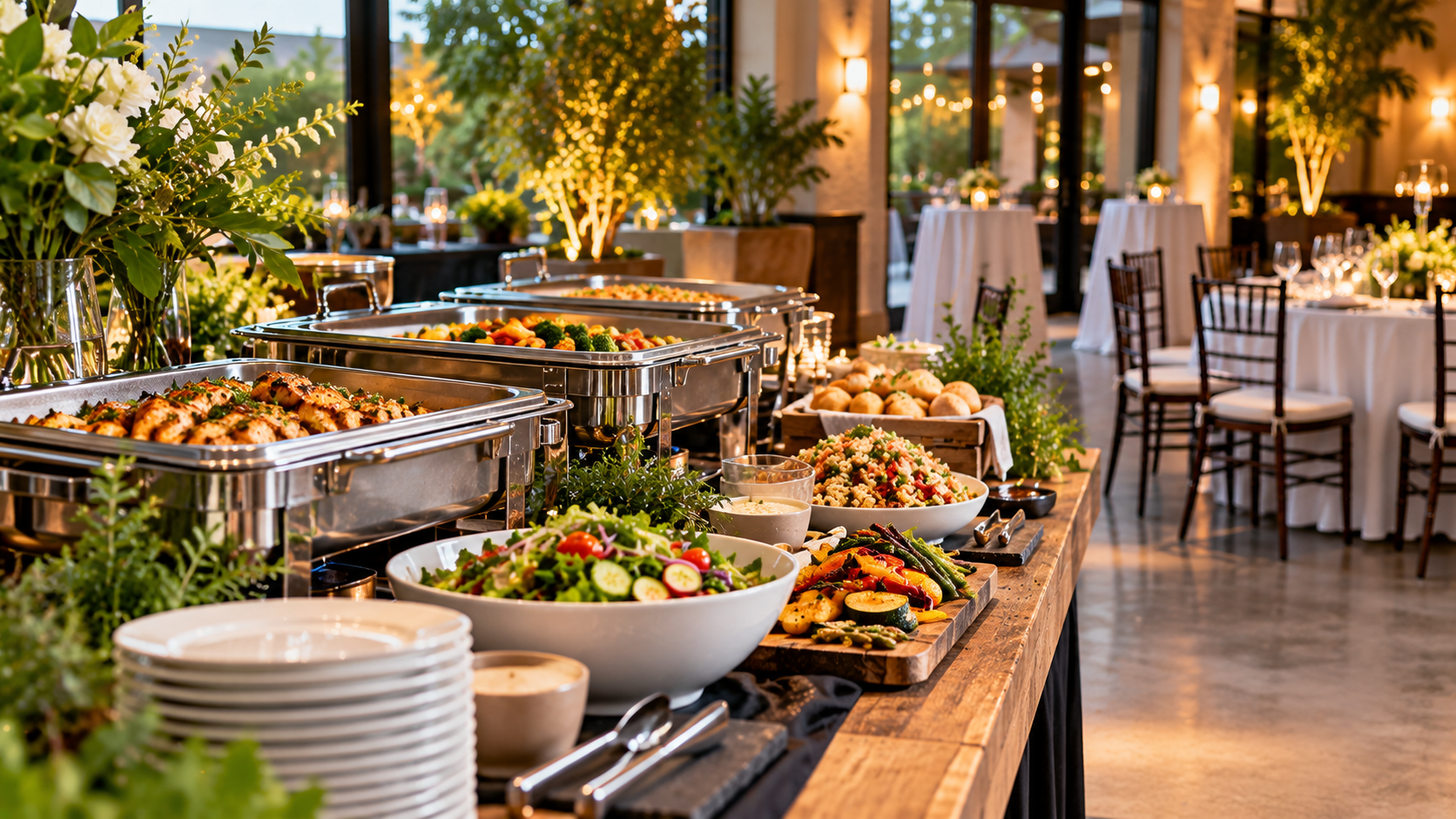
The way food is served can shape the entire rhythm of an event. A networking reception needs room for movement and conversation, while a formal dinner benefits from a more structured pace. Buffets, cocktail receptions, seated dinners, delivery catering, and mixed-format events all create different guest experiences, and the right service style should support the purpose of the gathering rather than work against it. Our team looks at more than the menu when helping plan service. Guest count, venue layout, event timing, dietary needs, staffing, rentals, and the level of formality all influence which format will work best. Professional planning helps these elements fit together so guests can eat comfortably, move through the room easily, and stay focused on the reason they gathered. Match The Service Style To The Purpose Of The Event Start by asking what guests are expected to do during the event. If the goal is networking, movement matters. If the event includes speeches, awards, or a formal program, structured seating may be more useful. Office meetings often need a faster format that supports the schedule without creating unnecessary interruption. Our guide to office delivery catering explains why delivery can work well for breakfasts, luncheons, team meetings, trainings, and other business gatherings that need dependable timing without full-service staffing. Useful questions include: The answers help narrow the choice before menu planning becomes too detailed. Consider Guest Flow, Staffing, And Rentals Together The service format affects how people move through the room and how much behind-the-scenes support is needed. A buffet can offer variety and flexible portions, but it requires enough room for lines, replenishment, and serving equipment. Cocktail service encourages mingling, while seated dining relies on timing, staffing, table settings, and coordinated clearing. Our team plans these details together because one decision often affects several others. Important planning points include: A polished event feels simple to the guest because the logistics were handled carefully in advance. Choose A Format That Fits The Guest Experience You Want Different formats create different moods. The right choice depends on whether you want energy and movement, relaxed flexibility, or a more formal dining experience. Our article on holiday catering styles compares cocktail receptions, buffets, seated dinners, and mixed formats based on guest interaction, timing, staffing, and presentation. A well-matched event format might include: The best format does not need to be the most elaborate. It needs to support the event naturally. Guest count also matters. A smaller executive dinner may benefit from discreet seated service, while a large company event may need multiple buffet lines or food stations to keep traffic moving. The same menu can feel completely different depending on how many people are being served and how much space is available. Dietary planning should also be built into the service style. Buffets can make it easier to offer several choices, while seated dinners may require confirmed meal selections or specially prepared plates. Cocktail receptions need enough variety among passed or stationary items so guests with dietary restrictions still have substantial options. Timing is another major factor. A business luncheon may need to fit into a narrow schedule, while a celebration can allow more time for cocktails, courses, and conversation. Professional coordination helps align food service with speeches, entertainment, networking blocks, or other scheduled activities. Venue limitations can change the ideal plan as well. Loading access, kitchen facilities, available tables, room size, service routes, and cleanup deadlines can all affect which format is realistic. Reviewing those details early helps prevent last-minute changes that compromise the guest experience. The strongest events make food service feel like part of the program rather than a separate task. When menu, staffing, timing, rentals, and room flow are planned around the same goal, the event feels more organized from arrival through the final course. Build The Service Around The Way You Want Guests To Gather If you are planning an office meal, cocktail reception, buffet, seated dinner, or full-service event, contact Piazza Market Catering and Events for customized menus, staffing, rentals, delivery, and event coordination tailored to the occasion.
How To Accommodate Dietary Restrictions At Events
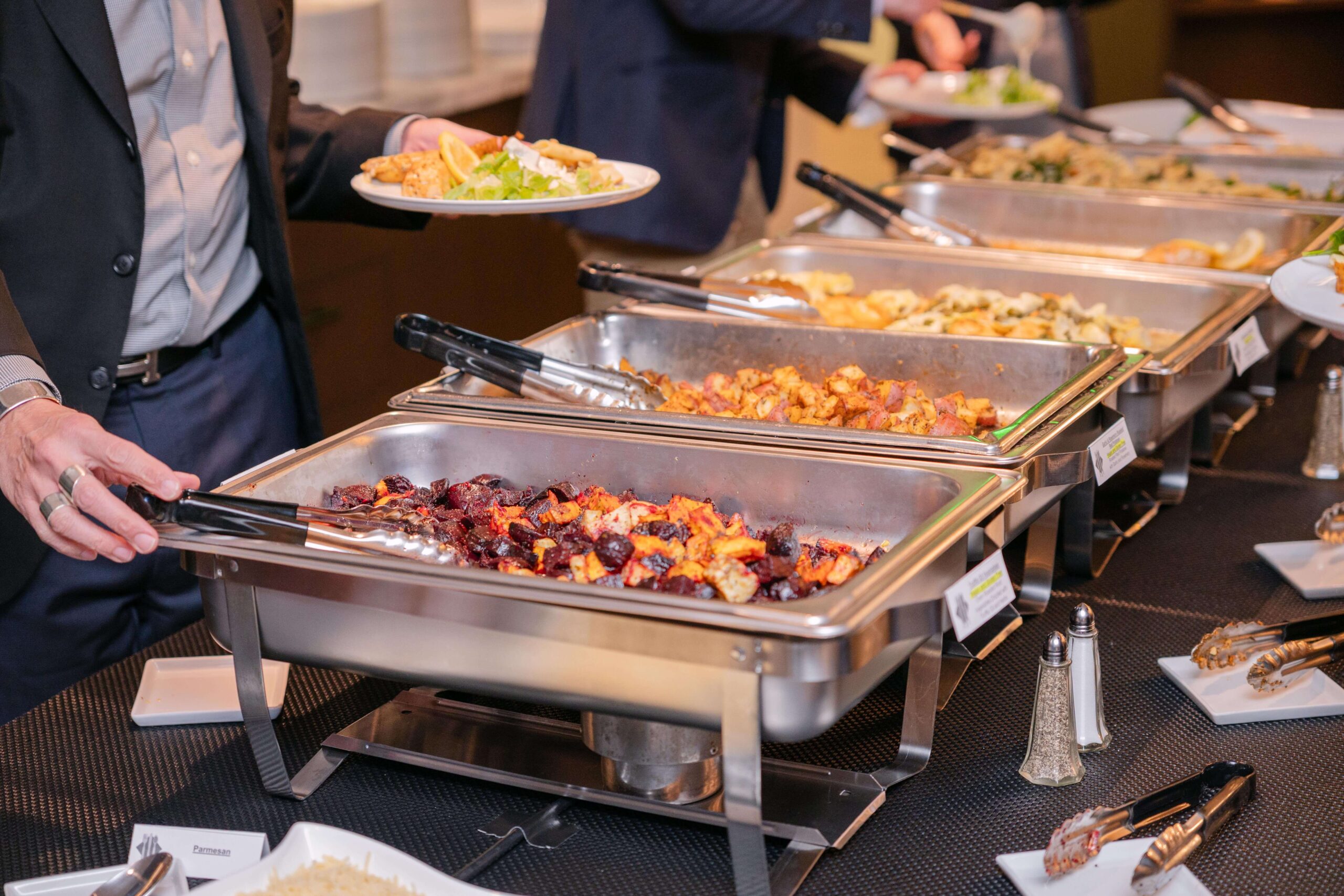
Dietary restrictions are now a routine part of event planning, whether the gathering is a business luncheon, wedding, private celebration, conference, or social event. Guests may avoid certain ingredients because of allergies, intolerances, medical needs, religious practices, ethical choices, or personal preferences. A well-planned menu should make those guests feel considered without making the meal service feel complicated or separate. Our team approaches event catering by gathering dietary information early, building flexibility into the menu, and coordinating preparation and service carefully. Professional planning is especially important when several restrictions overlap because substitutions, preparation methods, and presentation all need to work together. In corporate catering, this level of organization can help hosts create a more inclusive experience while keeping service smooth and efficient. Start With Clear Guest Information Before Finalizing The Menu The strongest dietary-accommodation plans begin before the food is prepared. Event organizers should collect dietary information during registration or RSVP planning so the catering team has enough time to review requests and recommend appropriate options. Our article on thoughtful corporate catering explains why professional catering involves more than simply delivering food. Timing, guest experience, presentation, service flow, and dietary planning all influence how successful an event feels. Useful information to collect includes: Clear information helps our team design a menu that is practical for the event format. A plated dinner may require different solutions from a buffet, boxed lunch, or cocktail-style reception. It is also important to distinguish between preferences and medical restrictions. That difference can affect ingredient selection, preparation, storage, and service procedures. When hosts communicate these details early, the catering team can plan more accurately and reduce last-minute changes. Build Variety Into The Menu Instead Of Relying On One Substitute A common mistake is treating dietary accommodations as a single alternative plate added at the end of menu planning. A better approach is to design enough variety across the entire menu, so several guests can find suitable options without feeling singled out. Our team considers proteins, vegetables, grains, sauces, sides, and desserts together. A thoughtful menu can include naturally adaptable dishes rather than relying only on replacements that feel separate from the main meal. A balanced event menu may include: This kind of menu planning also supports better service flow. Guests can choose confidently when options are intentional and easy to understand. Custom Menus Help Match Dietary Needs To The Event Style Dietary accommodations work best when they are designed around the event itself. A formal dinner, employee luncheon, executive meeting, wedding reception, and casual gathering each have different service needs. Menu structure should reflect the venue, guest count, timing, and level of formality. Our guide to custom event menus highlights why tailored planning can make corporate catering more flexible and cohesive. Customization allows dietary needs to be considered alongside presentation, portioning, timing, and the overall event experience. Professional planning may include: Clear labeling is especially valuable for buffets and self-service stations. Guests should not have to guess whether a dish contains dairy, gluten, nuts, shellfish, or another ingredient that matters to them. Preparation and service coordination are equally important. Allergies can involve more than choosing a different ingredient because cross-contact during preparation, storage, transport, or service may also be a concern. Professional caterers can review what can realistically be accommodated within the kitchen and event environment and communicate any limitations clearly. Communication should continue through the final service. Event organizers, catering coordinators, and service staff need to understand which guests have special meals, where those meals will be served, and how questions should be handled. This reduces confusion and helps keep restricted meals from being mixed with standard dishes. For larger events, having dietary information organized by table, guest name, or meal type can make service more efficient. For corporate catering, labeled boxed meals or clearly marked buffet sections may be more practical. The best system depends on how guests will receive their food. Accommodating dietary restrictions successfully is not about creating a completely different menu for every guest. It is about gathering accurate information, building flexibility into the menu, planning safe preparation, labeling choices clearly, and coordinating service so everyone can participate comfortably. Professional catering helps bring those pieces together. When menu design, preparation, logistics, and guest communication are planned as one process, dietary accommodations become part of a polished event rather than a last-minute complication. Make Every Guest Feel Considered At The Table For custom menus, dietary accommodations, professional event planning, and corporate catering, contact Piazza Market Catering and Events to create a menu that fits your guests and your event.
The Best Catering Styles For Business Holiday Parties
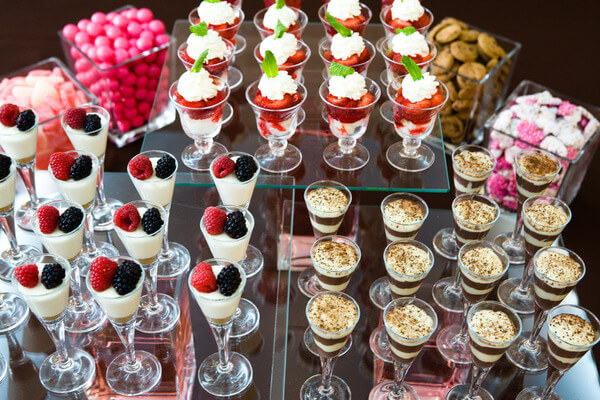
Business holiday parties can range from casual team celebrations to formal client dinners, and the catering style should match the tone, schedule, venue, and guest experience. The right format can make the event feel organized without making food service feel rigid. Professional planning helps determine whether a cocktail reception, buffet, seated dinner, or mixed format will work best. Each option affects staffing, rentals, timing, menu variety, and guest movement. Comparing catering styles early makes it easier to build an event that feels festive, polished, and practical. Cocktail Receptions Keep Guests Moving And Social Cocktail-style service works well when the holiday party is centered on conversation, networking, or a relaxed year-end celebration. Passed or stationary hors d’oeuvres allow guests to eat without committing to a formal table, while small bites support a flexible schedule. This format works well for: The value of networking-friendly bites is that they let guests continue conversations while eating. Passed hors d’oeuvres can also help control pacing because service staff brings food through the room instead of sending everyone toward one station. Professional caterers can balance lighter bites with more substantial options so the menu feels complete rather than snack-like. Buffets Offer Variety And Flexible Portions Buffet service is a strong choice when the guest list includes varied preferences or the host wants a broader menu. Guests can select among entrées, sides, salads, and desserts, making this style useful when dietary choices need to be incorporated without creating separate service systems. A successful buffet may include: Guest count matters here. The planning principles behind a 50-person office event show why room layout, timing, portions, staffing, and access should be considered together rather than treating headcount as the only planning number. For larger holiday gatherings, more than one buffet access point may help shorten lines and keep the event moving. Seated Dinners Create A More Formal Holiday Experience A seated dinner suits business holiday parties with a formal tone, a defined program, or a guest list that benefits from structured service. Executive dinners, client celebrations, leadership events, and milestone gatherings can feel more polished when courses are served at the table. Planning should account for: Seated dinners require more coordination than drop-off service, but they create a calm, deliberate pace. Guests are not leaving their tables to stand in line, and service can be timed around the program. A hybrid format can also work well. Hosts might begin with passed hors d’oeuvres during cocktails, move into a seated dinner, and finish with dessert or coffee service. This combines social flexibility with a formal main meal. The best catering styles are determined by the event’s purpose. A company celebration focused on team interaction may benefit from cocktail service or a buffet. A client-facing dinner may call for plated courses. A large year-end gathering may work best with stations and professional staffing that can handle changing guest flow. Holiday timing adds another layer. December schedules can be tight, venues may have access restrictions, and guest counts can shift as employees travel or attend multiple events. Professional caterers help coordinate final numbers, delivery windows, rentals, staffing, and menu adjustments before those details become last-minute problems. Dietary planning should also happen early. Vegetarian, vegan, gluten-free, and allergy-aware selections should feel integrated into the menu rather than added as afterthoughts. The service format influences how those options are identified for the guests who need them. Staffing can make a major difference in how polished the party feels. Servers can manage passed hors d’oeuvres, replenish buffets, clear tables, assist with beverages, and keep the room organized. That lets hosts focus on employees, clients, and the celebration. The strongest holiday catering plan makes the food feel effortless, even though considerable coordination happens behind the scenes. When you plan service style, menu, staffing, rentals, room layout, and timing together, the event feels intentional, and guests can focus on enjoying the occasion. Give Your Holiday Party The Right Service Style If you are planning a corporate holiday reception, buffet, seated dinner, or mixed-format celebration, contact Piazza Market Catering and Events for customized menus, staffing, rentals, coordination, and full-service holiday catering.

How To Plan Catering For A 50-Person Office Gathering
Planning food for 50 coworkers requires more than choosing a menu and multiplying portions. Office events have schedules, dietary needs, room limits, service expectations, and timing constraints that affect how smoothly the meal is served. A professional event catering plan brings those details together before the gathering begins. For a group of 50, work backward from the event format. A working lunch, executive meeting, buffet, cocktail reception, or seated dinner will require different quantities, staffing, rentals, and service timing. Careful planning also helps avoid long lines, shortages, excessive leftovers, and awkward pauses in the agenda. Start With The Event Format, And Guest Needs Before selecting dishes, define how the gathering will function. The menu should support the purpose of the event rather than compete with it. A lunch during presentations needs food that is easy to serve and eat, while a reception may call for passed appetizers or stations that encourage movement. Key planning details include: It is also useful to ask what is included before confirming a caterer. Reviewing catering service questions can clarify staffing, rentals, setup, cleanup, menu customization, and final-count policies before those details become last-minute problems. For 50 people, even a small misunderstanding about service style can affect the schedule. Confirming responsibilities early makes coordination easier. Build Portions Around The Menu, Not Headcount Alone Fifty guests do not always require the same amount of food. Portion needs change depending on whether the event includes breakfast, lunch, appetizers, a buffet, or a full dinner. The number of menu choices also matters because guests often sample more when several dishes are available. A balanced plan may consider: Professional caterers calculate quantities using more than a simple per-person formula. They consider guest profile, service style, menu composition, event duration, and replenishment needs. For a 50-person office gathering, that experience is useful because over-ordering raises costs while under-ordering creates an immediate service problem. A well-built menu gives guests enough choice without making the buffet unnecessarily complicated. Coordinate Service Timing With The Office Schedule Corporate catering works best when the food schedule aligns with the meeting or event agenda. Delivery, setup, service, clearing, and cleanup should be mapped around presentations, speeches, training sessions, or networking periods. A practical event timeline should include: The broader principles behind corporate catering planning are useful for office gatherings because venue access and guest flow can affect service as much as the menu. For 50 guests, one buffet line may work in a spacious room, but multiple access points may be better when the meal period is short. A seated format may require more staffing, while drop-off catering may work when the office team can manage setup and cleanup. Office planners should confirm dietary information before the final order is due. Early planning allows inclusive options to be built into the main selection instead of added as an afterthought. Rentals should be considered alongside the menu. Chafing dishes, serving utensils, china, glassware, linens, beverage equipment, and tables can affect room layout. If the caterer is coordinating these items, confirm what is included and when it will arrive. Another important step is choosing one on-site contact. The catering lead should know who can approve changes, answer venue questions, and make decisions if the schedule shifts. This avoids conflicting instructions during setup. For a 50-person gathering, professional planning is valuable because the group is large enough for small mistakes to multiply. A short delay, an undersized buffet, missing dietary options, or unclear cleanup responsibilities can affect dozens of guests at once. A successful office event should feel simple to attendees even though considerable coordination happens behind the scenes. When guest count, menu, portions, staffing, rentals, access, and timing are planned together, food becomes a smooth part of the gathering instead of another logistical concern. Make Your 50-Person Gathering Easier To Manage If you are planning an office lunch, reception, buffet, or other corporate gathering, contact Piazza Market Catering and Events for customized menus, staffing, rentals, coordination, and full-service event catering.
What Questions To Ask Before Hiring A Catering Company
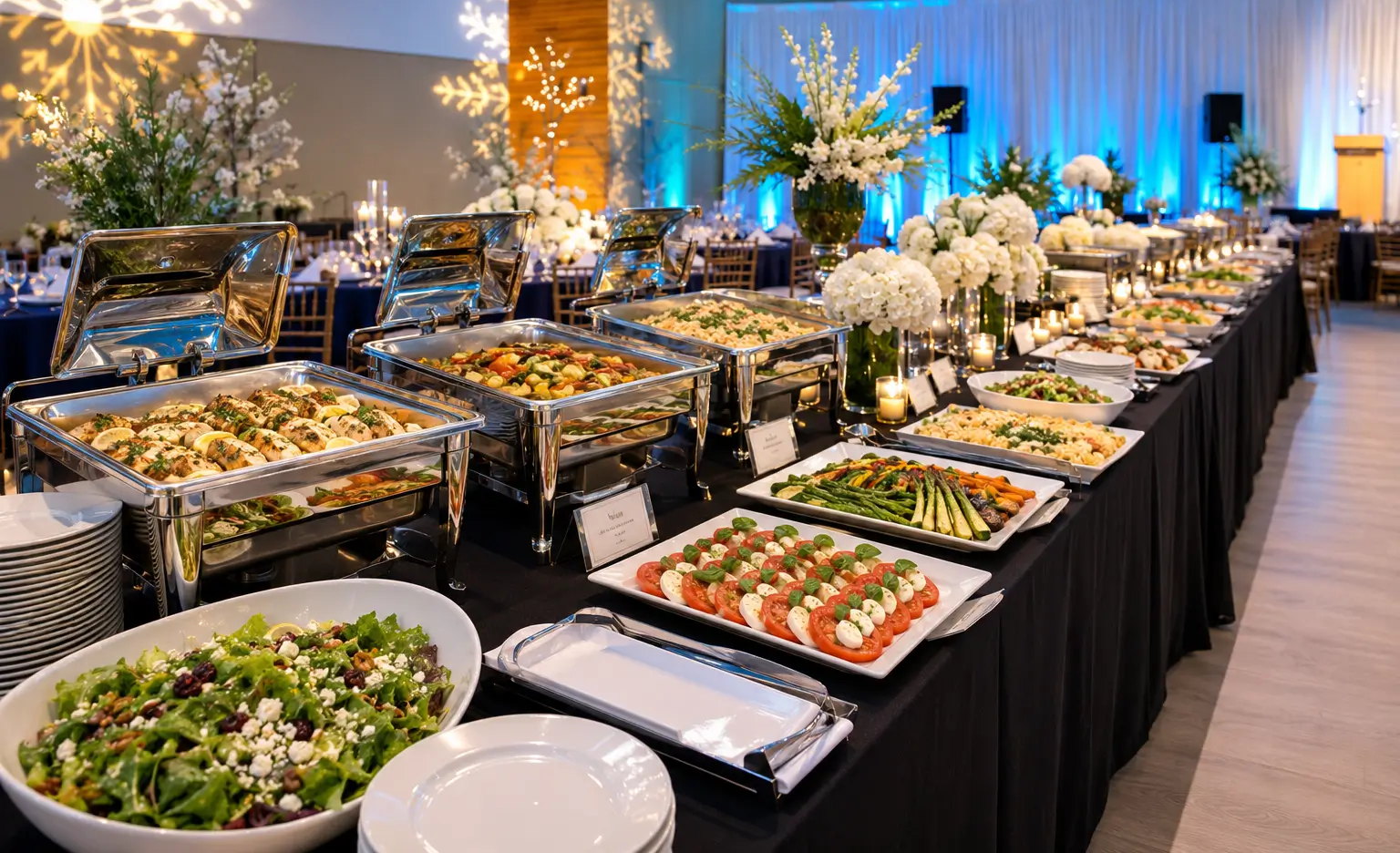
Choosing a caterer involves much more than comparing menus and prices. A polished proposal can look appealing, but planners still need to understand exactly what is included and how the caterer will handle the practical details behind the scenes. The right partner affects food quality, service timing, guest comfort, setup, staffing, and the overall flow of the event. Professional event catering should be built around the event itself. Guest count, venue rules, service style, dietary needs, schedule, and rental requirements all shape what will work. Asking thoughtful questions before signing an agreement helps prevent surprises and gives both sides a clearer plan for execution. What Services Are Included Beyond The Food? Start by asking what the catering company actually provides. Some caterers focus mainly on preparing and delivering food, while full-service teams may also coordinate setup, staffing, rentals, table settings, and event logistics. Knowing the scope early makes budgeting and planning much easier. Useful questions include: For smaller gatherings, it is also useful to understand how the caterer approaches private dinner planning. A detailed scope prevents assumptions and makes responsibilities easier to confirm before the event. If rentals, staffing, or cleanup are not included, planners can arrange them separately before the event rather than discovering a gap at the last minute. How Will The Menu Match The Guests And Event Format? Menu selection should reflect more than personal preference. The time of day, length of the event, guest profile, service format, and venue all influence what dishes will be practical and enjoyable. A breakfast meeting has different needs from a cocktail reception, buffet dinner, or all-day conference. Ask how customizable the menu is and whether the caterer can accommodate dietary restrictions or preferences. Vegetarian, vegan, gluten-free, and allergy-related needs should be discussed early so the kitchen can plan appropriately and communicate clearly. Important menu questions include: A professional caterer should also explain how menu variety affects service. Too few options may limit guest choice, while too many can complicate preparation, replenishment, and timing. The goal is a balanced menu that supports the event rather than competing with it. How Are Quantities, Staffing, And Event Timing Calculated? Food quantity is one of the most important planning questions because headcount alone does not determine how much should be prepared. A two-hour reception, seated dinner, buffet lunch, and full-day conference create different consumption patterns. Service timing and menu composition also influence portion planning. Ask how the caterer calculates quantities and what information they need before finalizing the order. Helpful questions include: Good catering quantity planning considers guest count together with event timing, service style, menu variety, dietary needs, and how long food will remain available. That approach reduces the risk of shortages without creating unnecessary excess. It is equally important to ask how the catering team will coordinate with the venue and other vendors. Delivery access, kitchen facilities, power, loading areas, setup windows, table placement, and cleanup deadlines can affect the plan. Experienced event catering teams account for these details before event day so food service fits smoothly within the broader schedule. Finally, ask about the proposal itself. Confirm what is included in the quoted price, how deposits and cancellations work, when final selections are due, and which changes could affect cost. Clear written expectations make it easier to compare caterers fairly and reduce misunderstandings later. The best questions reveal how a catering company thinks, not just what it serves. A capable team should be able to explain how menu choices, staffing, rentals, timing, and quantities work together. Make Every Catering Detail Count If you want experienced support with menus, staffing, rentals, coordination, and full-service event catering, contact Piazza Market Catering and Events to begin planning an event built around your guests and schedule.
How To Choose The Right Caterer For Private Dinners
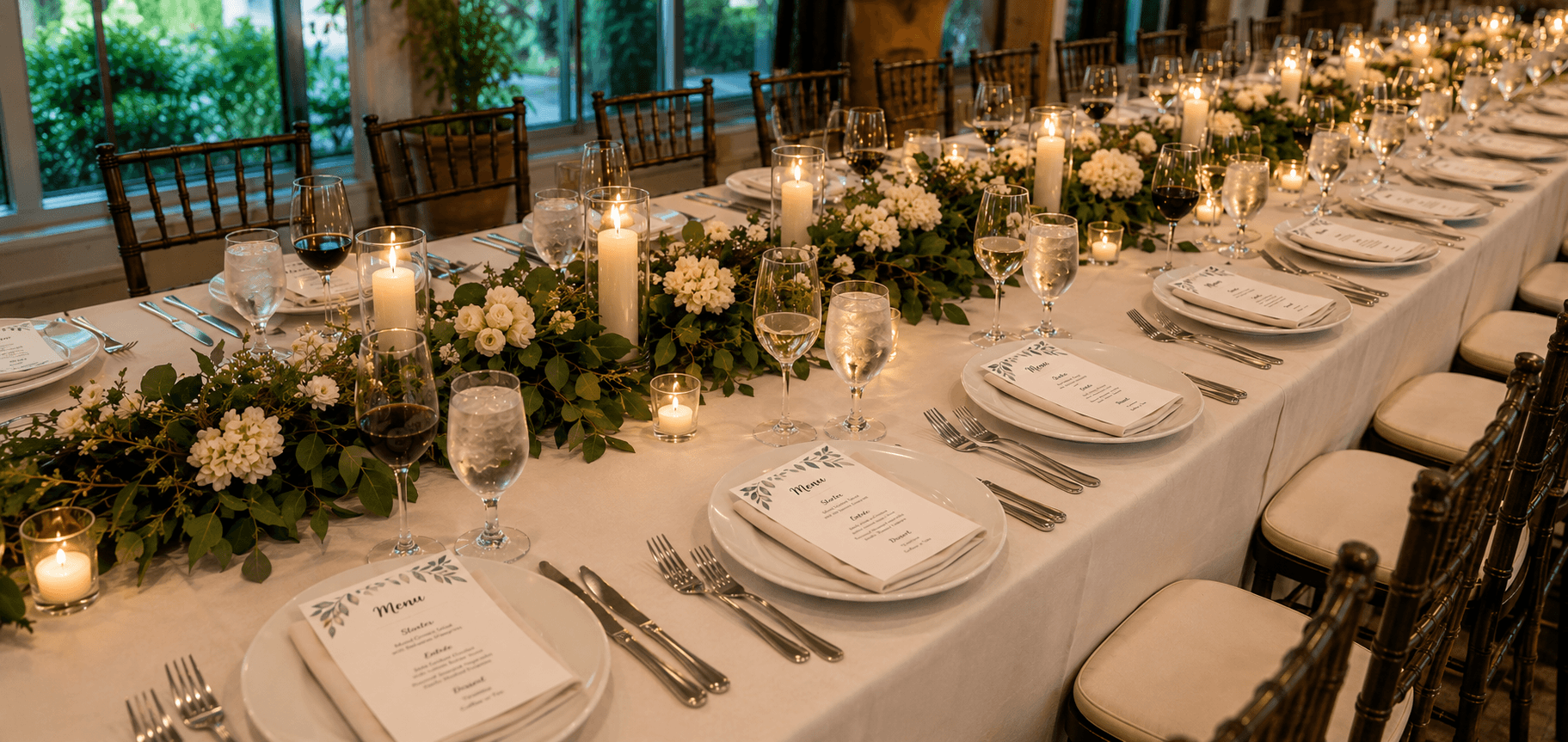
Private dinners feel personal by design. Whether the gathering is an anniversary, executive dinner, milestone celebration, or intimate evening with friends, the caterer has to do more than prepare good food. The right team should understand the mood, guest count, service style, timing, dietary needs, and practical details that shape the experience. Professional event catering gives hosts a structured way to manage those moving parts without turning the evening into a logistical project. Comparing caterers carefully helps ensure the menu, staffing, rentals, setup, and service all support the kind of dinner you want to host. Review The Menu Before Comparing Prices Price matters, but it should not be the first filter. A private dinner menu needs to fit the occasion, the guests, and the service format. Seated dinners, buffet-style meals, and cocktail-style gatherings all require different planning. When reviewing menus, consider: A strong caterer should be able to explain why certain dishes work well together rather than simply hand over a long menu. Looking at menu planning principles can also help hosts understand how balance, pacing, and service style influence the meal as a whole. Check How Dietary Needs Are Handled Private dinners often include guests with allergies, vegetarian preferences, gluten-related needs, or other dietary considerations. The caterer should be able to discuss these requirements clearly before the menu is finalized. Good planning does not mean creating a completely different dinner for every person. It means building enough variety into the menu, so guests have suitable choices without making service confusing. Clear labeling and thoughtful substitutions can also help the meal feel inclusive without drawing unnecessary attention to individual restrictions. Ask how the catering team collects dietary information, communicates ingredient changes, and prevents last-minute confusion. A professional response should be specific and realistic about what can be accommodated. Evaluate Staffing And Service Style The food is only one part of a private dinner. Staffing affects how polished and relaxed the evening feels, especially when guests are seated for multiple courses or when drinks and appetizers are served before dinner. Useful questions include: Professional event catering can make the meal feel effortless because trained staff manage timing in the background. Guests should not have to wait too long between courses, and hosts should not be pulled away from conversation to solve service problems. Ask About Dietary Variety Early Dietary planning works best when it begins before the final menu is locked. A caterer with experience serving mixed groups can build flexibility into the meal from the beginning instead of making awkward changes at the last minute. Guidance on dietary menu planning shows why service style, menu balance, clear labeling, and guest communication should work together. For a private dinner, that might mean choosing a main course with adaptable sides, offering a well-developed vegetarian option, or selecting appetizers that already cover several preferences. This is also where professional judgment matters. A caterer can explain which substitutions preserve the quality of the dish and which changes may affect texture, timing, or presentation. That guidance helps hosts create variety without weakening the overall menu. Confirm Rentals, Setup, And Event Coordination A caterer may also help with the details surrounding the meal, which can be especially useful when the dinner is hosted at a private home, rented venue, or nontraditional space. Before booking, confirm: Event coordination becomes more valuable as the dinner becomes more detailed. Rentals, staffing, menu timing, room setup, and service flow all need to align. A caterer that can manage several of these elements reduces the number of separate vendors the host has to coordinate. The right caterer should make the evening feel organized before it begins. Look for a team that asks detailed questions, explains options clearly, and understands how food service fits into the larger event. A strong private dinner is not only about what is served. It is about timing, hospitality, presentation, and creating an experience where the host can stay present with guests. Create A Private Dinner That Feels Effortless For thoughtfully planned event catering, customizable menus, professional staffing, rentals, and event coordination, contact Piazza Market Catering and Events to plan a private dinner around your guests and occasion.
Why Hors D’oeuvres Are Perfect For Networking Events
Networking events work best when guests can move naturally, start conversations easily, and stay engaged without being tied to a formal meal schedule. Hors d’oeuvres support that kind of environment because they are compact, easy to serve, and flexible enough to fit receptions, product launches, client gatherings, and professional events. Thoughtful event catering uses food to support the purpose of the gathering. Instead of interrupting conversation with a long seated meal, hors d’oeuvres can keep guests circulating while still providing enough variety and substance to make the event feel polished and well planned. Hors D’oeuvres Make It Easier For Guests To Mingle Networking depends on movement. Guests often arrive at different times, move between groups, and spend only a few minutes in each conversation. Small bites fit that rhythm better than meals that require everyone to sit down at once. Hors d’oeuvres can support mingling by: Passed hors d’oeuvres can bring food directly to guests, while stationary displays give people a reason to move through the room. A combination of both can help prevent crowding and keep the event active. Portion Planning Keeps The Reception Balanced A networking reception should offer enough food to keep guests comfortable without turning the event into an oversized buffet. Quantity depends on event length, time of day, guest count, and whether the hors d’oeuvres are replacing a full meal or simply accompanying drinks. Professional planners consider how many pieces each guest is likely to eat over the course of the event. A short reception before dinner may require fewer bites, while an evening networking event that serves as the main meal needs more substantial options and greater variety. Guidance on catering quantities shows why headcount alone is not enough. Service timing, menu composition, and replenishment all influence how much food should be prepared. That planning helps reduce both shortages and unnecessary excess. Menu Variety Helps More Guests Participate Comfortably Networking events often bring together people with different tastes and dietary needs. A varied hors d’oeuvre menu gives guests more choice without requiring several completely separate meals. A balanced selection may include: Variety also helps maintain interest throughout the event. Guests may return to food stations several times as they circulate, so offering different textures, temperatures, and flavors can make the experience feel more complete. Professional event catering can also coordinate menu labels, service staff, and replenishment so guests can make choices quickly without interrupting conversation. Service Style Can Reinforce The Purpose Of The Event The best networking events feel smooth because food service works with the room rather than against it. Passed hors d’oeuvres are useful when planners want guests to remain mobile, while stationary displays can create natural gathering points. Chef-attended stations may add another interactive element when the venue and schedule allow. Advice on corporate event planning explains why service style should follow the event objective. A networking reception benefits from movement and flexible timing, while a seated dinner is better suited to a structured program. Staffing also matters. Experienced servers can pace passed items, keep displays refreshed, clear used glassware and plates, and help the room stay organized. That support allows hosts to focus on introductions, conversations, and the guest experience instead of watching food levels. Professional Planning Keeps The Event Flowing Hors d’oeuvres may look simple, but successful service requires careful coordination. The menu, portion count, kitchen timing, staffing, rentals, room layout, and service sequence all need to work together. A strong event plan may include: Professional planning also helps determine whether the event needs cocktail tables, china, glassware, linens, bar service, or other rentals. Those details affect how easily guests can move and interact. The goal is to make the food feel effortless. Guests should be able to take a bite, continue a conversation, and move to the next introduction without having to manage a complicated plate or wait in a long line. When hors d’oeuvres are properly planned, they support networking instead of competing with it. They keep energy in the room, give guests flexible ways to eat, and help the event feel organized from arrival through the final conversation. Keep The Conversation Moving With Better Catering For professionally planned event catering with hors d’oeuvres, staffing, rentals, and service designed around your networking goals, contact Piazza Market Catering and Events for support from menu planning through event execution.
How To Estimate Catering Quantities For Any Event
Estimating food for an event is more involved than multiplying a guest count by a standard serving size. The right quantity depends on the event schedule, service style, menu variety, guest mix, and how long food will be available. Breakfast meetings, buffet lunches, cocktail receptions, seated dinners, and all-day programs each create different portion needs. Professional event catering uses guest count as the starting point, then adjusts for timing, format, dietary needs, and service flow. This helps reduce shortages without creating unnecessary excess. A well-planned estimate also keeps replenishment, staffing, and presentation more consistent. Start With Guest Count And Event Timing Accurate quantities begin with a realistic attendance estimate. Caterers work from the expected number of guests, then consider whether attendance is fixed, still changing, or likely to include last-minute additions. Important details include: A two-hour reception needs a different plan from an eight-hour conference with breakfast, breaks, lunch, and a snack. For larger gatherings, conference catering shows how timing, multiple service periods, and guest movement affect quantity calculations. Match Portions To The Service Style Service format changes how much food guests typically take and how evenly portions can be controlled. Seated meals are easier to estimate because each guest receives a defined plate. Buffets need more flexibility because guests choose their portions, while cocktail receptions depend on the number and size of passed or stationary bites. For buffet service, caterers may build in enough variety and replenishment to keep the display full without overloading every tray. Cocktail-style events may require several small selections so guests can eat comfortably over a longer period. Seated dinners allow tighter portion control but require accurate entrée counts and special-meal planning. Professional guidance is useful when several service styles appear in the same event. A reception followed by a seated dinner should not be calculated as two full meals, but the reception still needs enough food to keep guests comfortable. Balance Menu Variety With Portion Size More menu choices do not always mean larger total quantities. When several dishes are offered, guests usually divide their selections across the available options. Quantity planning should account for that behavior rather than preparing a full portion of every dish for every person. Consider: A buffet with two entrées, multiple sides, and dessert can be portioned differently from a menu with one main dish. Likewise, substantial hors d’oeuvres can reduce the amount needed later. The goal is enough variety for choice while keeping total food volume aligned with the length and purpose of the gathering. Account For Dietary Needs Before Finalizing Quantities Dietary planning affects both menu design and quantity estimates. Vegetarian, vegan, gluten-conscious, allergy-sensitive, and other special requests should be identified before final numbers are submitted whenever possible. Thoughtful planning does not require a completely separate menu for every preference. Dietary menu planning shows why confirmed counts, clear labeling, and balanced alternatives help avoid shortages and excessive special-order food. Caterers also consider how these meals will be served. A seated dinner may require individually identified plates, while a buffet may need clearly marked selections and enough quantity to ensure those dishes remain available to the guests who need them. Plan Replenishment, Staffing, And A Practical Buffer Final quantity estimates should include how food will be presented and replenished. Preparing every item at maximum volume from the beginning can affect freshness and presentation. Staged replenishment lets the catering team monitor consumption and bring out additional food as needed. A strong final plan may include: The buffer should be practical rather than excessive. Too little creates stress and visible shortages, while too much increases waste and cost. Experienced caterers can compare guest count with the schedule, venue layout, service style, menu composition, and expected consumption. That broader view turns a headcount into a reliable catering plan. Good quantity planning should feel almost invisible to guests. Food remains available, service moves smoothly, and the event does not appear overstocked or underprepared. That balance is a major benefit of planning portions with an experienced event catering team. Serve The Right Amount With Confidence For help planning portions, menus, service flow, and event catering quantities, contact Piazza Market Catering and Events for professional support tailored to your guest count and event format.
Catering Tips For Successful Bay Area Corporate Events
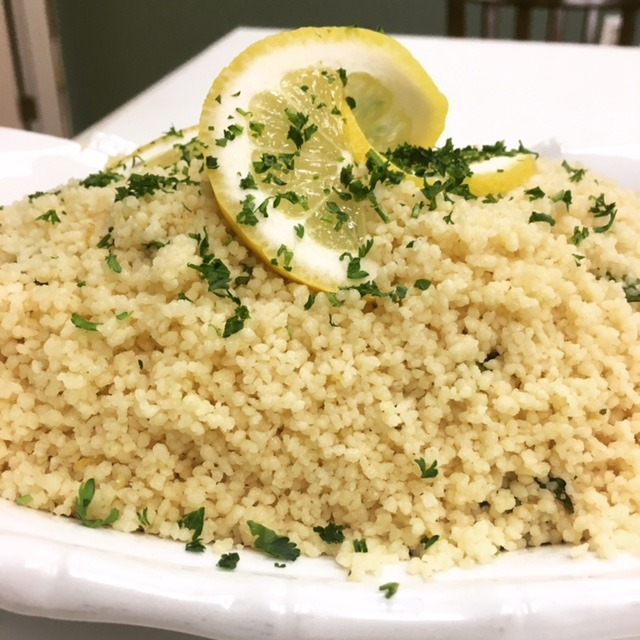
Bay Area corporate events can range from early-morning training sessions and executive lunches to product launches, receptions, conferences, and formal dinners. Each format creates different demands for timing, menu design, staffing, rentals, and guest movement. Useful catering tips begin with clarity. Planners should define the schedule, audience, venue limits, service expectations, and dietary needs before choosing dishes. Professional guidance helps connect these details so meals arrive on time and the service style fits the occasion. This preparation also gives the catering team time to resolve equipment, access, or presentation concerns before they affect service. Match The Menu To The Event Schedule The agenda should guide how the food is prepared, presented, and served. A breakfast meeting may need punctual delivery and quiet, easy-to-handle choices. A working lunch should minimize interruptions, while an evening reception may benefit from passed appetizers and stations that encourage conversation. Important planning details include: Bay Area traffic and loading restrictions can affect even a well-planned menu. An experienced catering team can build realistic setup time into the schedule. Build Variety Around Real Guest Needs Corporate groups often include different dietary preferences, allergies, cultural backgrounds, and eating habits. Reviewing inclusive menu planning early helps prevent limited alternatives from being added as an afterthought. The goal is not to create a separate menu for every guest, but to offer balanced choices that feel equally considered. A strong menu may include plant-forward dishes, varied proteins, lighter and richer selections, and clearly identified dietary options. Labels should be easy to read, and separate serving utensils may be appropriate for certain dishes. Planners should collect dietary information before final counts are due. Professional menu development also prevents repetition. A vegetarian guest should not have to rely on side salads at every service, and a gluten-conscious option should still feel complete. Thoughtful variety supports hospitality without making the buffet or service plan unnecessarily complicated. Plan Staffing, Rentals, And Guest Flow Together Food quality matters, but service logistics determine how guests experience it. Staffing levels should reflect the guest count, venue layout, menu, and degree of formality. Rentals should support the food and the room rather than being chosen separately at the end. A coordinated plan may cover: Large conferences may need several service points to keep lines moving. Smaller executive gatherings may require discreet service that does not interrupt discussion. Professional coordination helps align staffing and rentals with the event’s pace and space. Choose A Service Style That Supports The Goal The difference between reception and dinner is more than portion size. Cocktail receptions are built around movement, flexible arrival, and conversation. Seated or buffet dinners usually follow a clearer timeline and provide a fuller meal experience. A networking event may work well with passed hors d’oeuvres, grazing displays, and chef-attended stations. Guests can circulate while food continues to move through the room. A client dinner may be better served by plated courses, a structured buffet, or family-style service that gives guests time to sit and connect. The event objective should lead the choice. Product launches often benefit from energy and movement, while awards programs may need defined meal periods around speeches. Selecting the format first allows the menu, staffing, furniture, rentals, and service timing to work as one system. Confirm Details Before The Event Day Final confirmation protects the plan from avoidable surprises. Guest counts, delivery instructions, dietary requests, floor plans, rental quantities, staffing times, and venue contacts should be reviewed before service. One person should be designated to approve changes and communicate with the catering lead. Final checks should include: It is also helpful to discuss what happens if the schedule shifts. Presentations may run long, guests may arrive in waves, or room access may be delayed. A professional team can adjust service more effectively when contingency expectations are established in advance. Successful Bay Area corporate catering depends on coordination, not simply a list of dishes. When the menu, schedule, staffing, rentals, venue access, dietary planning, and guest flow are considered together, the meal supports the event instead of competing with it. Give The Event A More Polished Finish Contact Piazza Market Catering and Events for customized corporate menus, workplace deliveries, full-service staffing, rental coordination, and thoughtful event-planning support.
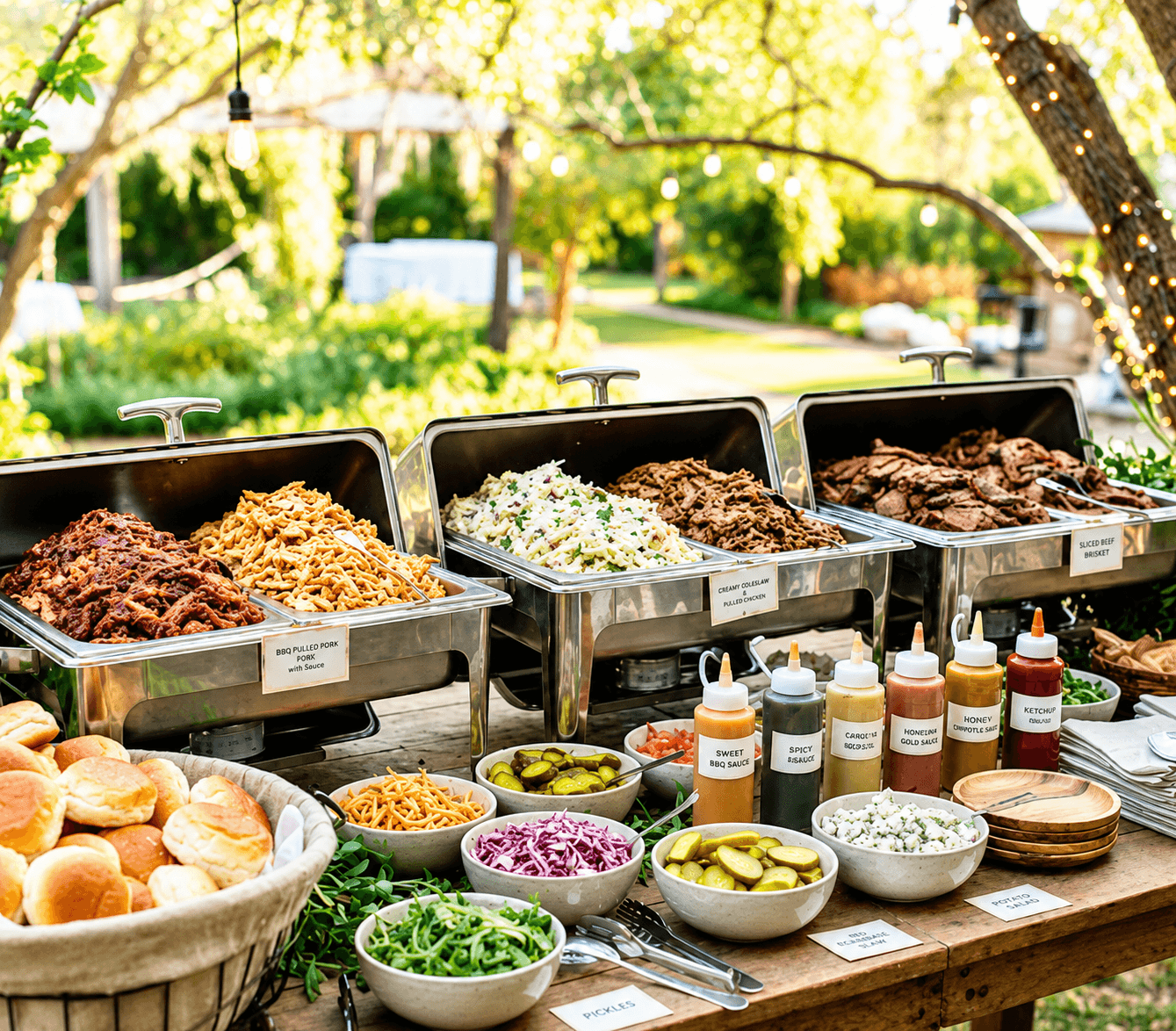
How To Build A Menu For Diverse Dietary Preferences
Planning a menu for guests with different needs is no longer a small detail at the end of the event checklist. It is central to hospitality. Corporate luncheons, cocktail receptions, seated dinners, buffet dinners, and cocktail-style gatherings bring together people with different tastes, restrictions, allergies, and personal eating habits. A menu that ignores those differences can make guests feel overlooked. Building for diverse dietary preferences does not mean creating a separate meal for every person. It means designing a balanced event catering experience with variety, clear labeling, and thoughtful service flow. The best menus feel generous without becoming confusing, giving guests options while keeping the event organized and realistic for the format. Start With The Event Format The service style shapes the menu before any dish is chosen. A cocktail reception needs small, easy-to-handle items. A seated dinner needs a planned sequence. A buffet dinner needs variety, clear organization, and smooth guest movement. Corporate service may need efficient timing, tidy presentation, and meeting-friendly options. Consider the format first: Once the format is clear, the dietary plan becomes easier. A vegetarian entrée may work well for a seated dinner, while a reception may need several plant-forward bites spread across the service window. Balance The Menu Without Overcomplicating It A strong menu has variety, but it should not feel scattered. The goal is to create choices that serve different needs while still feeling like one cohesive event. Guests should be able to find something that fits them without needing a long explanation at every station or table. A balanced menu may include: Professional planning helps the menu avoid repetition. If every vegetarian option is cheese-heavy or every gluten-conscious option is only a salad, the menu may offer choices, but feel limited. A thoughtful menu uses texture, color, temperature, and portion size to create a fuller experience. Label Clearly And Plan Guest Flow Clear labeling helps guests make confident decisions. It also reduces repeated questions for hosts and service staff. Labels should be simple, visible, and consistent. They should identify key dietary details without making the display feel clinical or crowded. Useful labeling and flow details include: Flow matters as much as the food itself. At a buffet dinner, guests should move without confusion. At a cocktail reception, passed items should vary enough that guests with dietary needs are not waiting for one tray. At a seated dinner, servers should know where special meals are going before service begins. Use Professional Planning To Protect The Experience Dietary planning is not only about ingredients. It is about timing, service, communication, and presentation. A menu can look excellent on paper but become difficult during the event if alternatives are unclear, portions are uneven, or staff members do not know how to answer guest questions. Professional catering guidance helps connect the menu to the event structure. For a corporate lunch, that may mean efficient buffet placement and choices that support a productive schedule. For a cocktail reception, it may mean enough variety in passed hors d’oeuvres so guests do not feel limited. For a seated dinner, it may mean confirmed counts, special plates, and service timing that keeps the meal polished. Hosts also benefit from thinking about the audience. A board meeting may call for clean, quiet, easy-to-eat food. A celebration may allow for more colorful stations. A formal dinner may need elegant alternatives that look as finished as the standard entrée. A cocktail-style event may need substantial bites so guests with dietary preferences do not leave hungry. The most successful menus feel inclusive without calling attention to every accommodation. They are built with enough structure that guests can choose comfortably, and enough creativity that the food still feels memorable. That balance is easier to achieve when menu planning, service format, and guest needs are handled together from the start. Create A Menu Guests Can Trust A thoughtful menu helps every guest feel considered while keeping the event polished, efficient, and enjoyable. For corporate services, cocktail receptions, seated dinners, buffet dinners, cocktail-style catering, and carefully planned event menus, contact Piazza Market Catering and Events.