A successful business event is shaped by much more than what appears on the plate. Corporate catering brings together menu planning, service style, staffing, timing, rentals, room flow, and guest experience so the event feels organized from arrival through the final course. Food matters, but the way it is presented and coordinated can influence how smoothly meetings, celebrations, receptions, and client gatherings unfold. It can also shape how comfortable guests feel moving, networking, dining, and participating in the program.
Our team views corporate catering as part of the event plan rather than a separate food order. A breakfast meeting has different needs from a networking reception, seated dinner, or year-end celebration. Understanding the purpose, schedule, guest count, and venue helps us choose a format that supports the event instead of interrupting it.
Service Style Shapes How Guests Experience the Event
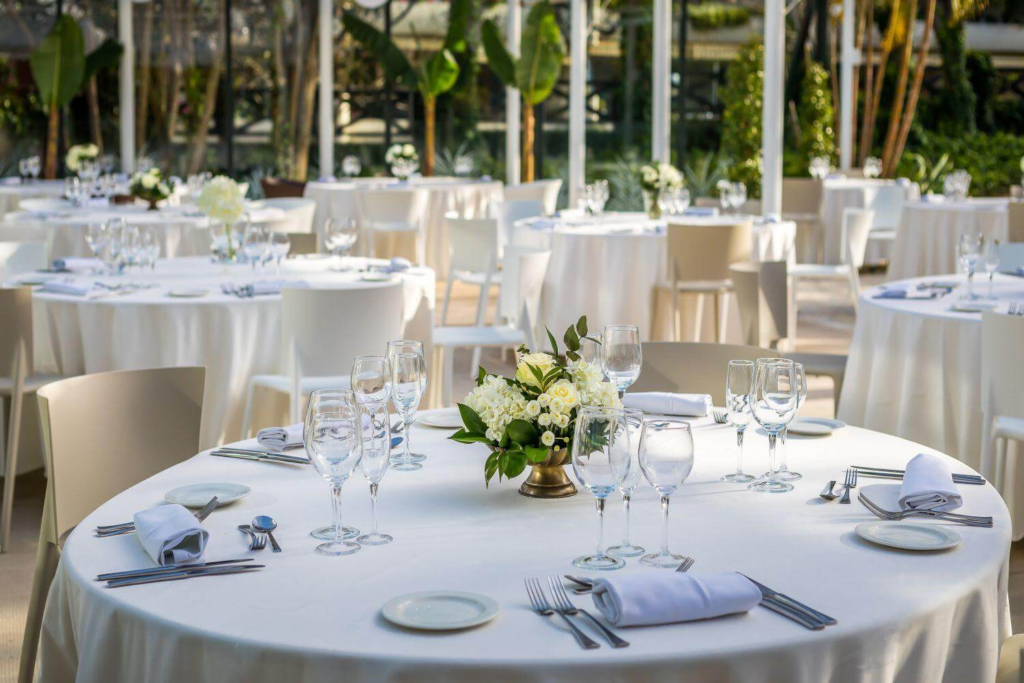
The way food is served affects movement, conversation, pacing, and the overall atmosphere. A buffet gives guests flexibility, while a seated dinner creates a more structured experience. Cocktail receptions encourage conversation and circulation, making them useful for networking events and informal business gatherings.
Our guide to catering service styles shows how the right format should reflect the event’s purpose, available space, schedule, and level of formality. Professional planning also helps coordinate staffing and rentals around that choice.
Important service considerations include:
- Matching buffet, plated, or cocktail service to the event format
- Planning guest flow so food stations do not create unnecessary congestion
- Coordinating meal timing with presentations, awards, or scheduled activities
- Providing staffing levels that fit the size and service style
- Selecting rentals, linens, tableware, and serving equipment in advance
- Building dietary accommodations into the menu rather than adding them later
When these details work together, guests can focus on the event without noticing the logistics happening behind the scenes.
Menu Planning Supports Timing, Portions, and Guest Needs
Corporate menus should fit more than personal taste. The event schedule, guest count, dietary requirements, service duration, and menu variety all affect how much food is needed and how it should be served. A short luncheon may require a different portion strategy from an all-day meeting or evening reception.
Our team uses headcount as a starting point, then considers timing, service style, guest mix, and how long food will remain available. The principles behind catering quantities help explain why simple per-person calculations do not always reflect the real needs of an event.
A well-planned menu should account for:
- Estimating portions based on service length and event schedule
- Balancing menu variety without creating unnecessary excess
- Including vegetarian, vegan, gluten-free, and allergy-aware options where needed
- Choosing foods that suit the service format and room layout
- Scheduling replenishment so buffets and stations remain presentable
- Coordinating beverages, desserts, and additional courses with the main meal
Thoughtful quantity planning helps reduce shortages while keeping service consistent. It also allows staffing and presentation to be planned more accurately before guests arrive.
Staffing and Coordination Keep the Event Moving Smoothly
Professional corporate catering also includes the people and planning required to execute the event. Chefs, servers, bartenders, service captains, delivery staff, and event coordinators each support different parts of the experience. Their work becomes especially important when the gathering includes multiple courses, speeches, bar service, rentals, or changing room setups.
Our team considers timing and logistics alongside the menu because even excellent food can feel disorganized if delivery is late, service routes are unclear, or tables are not ready when guests arrive. Event coordination helps connect those moving parts.
Behind-the-scenes planning may include:
- Confirming delivery, setup, and breakdown windows with the venue
- Coordinating table settings, linens, glassware, and serving equipment
- Assigning servers, bartenders, chefs, and service captains as needed
- Planning service routes that minimize disruption to guests
- Adjusting timing when speeches, presentations, or entertainment are scheduled
- Managing replenishment, clearing, and room organization throughout the event
This is where corporate catering becomes more than food. The meal is part of a larger system designed to support the event’s purpose. A client dinner may need polished table service, while an office celebration may benefit from a buffet or cocktail format that encourages conversation. A product launch may require food service that stays flexible around presentations and networking.
Our team also helps planners think through practical details that are easy to overlook, including venue access, final guest counts, dietary needs, rental requirements, and staffing. Addressing these items early reduces last-minute changes and creates a more consistent guest experience.
The best corporate events feel effortless because the planning is thorough. Food, service, timing, staffing, and presentation should work together so attendees experience a polished event rather than a collection of separate tasks. That level of coordination is what turns catering into an important part of the overall business gathering.
Make Every Detail Work Together
For customized menus, corporate events, cocktail receptions, buffets, seated dinners, staffing, rentals, and event coordination, contact Piazza Market Catering and Events to create a business gathering that feels organized, welcoming, and professionally managed.