
Estimating food for an event is more involved than multiplying a guest count by a standard serving size. The right quantity depends on the event schedule, service style, menu variety, guest mix, and how long food will be available. Breakfast meetings, buffet lunches, cocktail receptions, seated dinners, and all-day programs each create different portion needs.
Professional event catering uses guest count as the starting point, then adjusts for timing, format, dietary needs, and service flow. This helps reduce shortages without creating unnecessary excess. A well-planned estimate also keeps replenishment, staffing, and presentation more consistent.
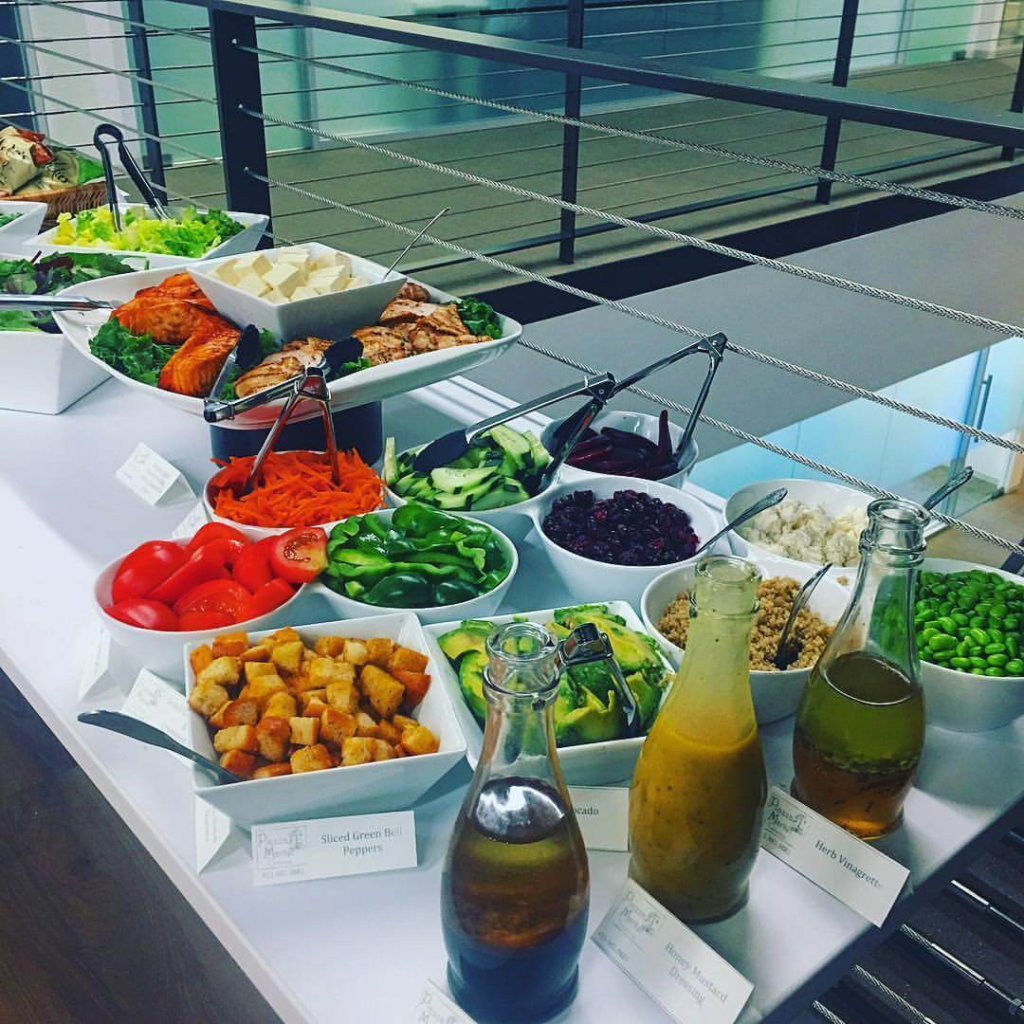
Start With Guest Count And Event Timing
Accurate quantities begin with a realistic attendance estimate. Caterers work from the expected number of guests, then consider whether attendance is fixed, still changing, or likely to include last-minute additions.
Important details include:
- Confirmed guest count and expected late responses
- Event start and end times
- Number of food-service periods
- Whether guests arrive all at once or in waves
- Length of each meal, break, or reception window
- Whether food replaces a meal or serves as a supplement
A two-hour reception needs a different plan from an eight-hour conference with breakfast, breaks, lunch, and a snack. For larger gatherings, conference catering shows how timing, multiple service periods, and guest movement affect quantity calculations.
Match Portions To The Service Style
Service format changes how much food guests typically take and how evenly portions can be controlled. Seated meals are easier to estimate because each guest receives a defined plate. Buffets need more flexibility because guests choose their portions, while cocktail receptions depend on the number and size of passed or stationary bites.
For buffet service, caterers may build in enough variety and replenishment to keep the display full without overloading every tray. Cocktail-style events may require several small selections so guests can eat comfortably over a longer period. Seated dinners allow tighter portion control but require accurate entrée counts and special-meal planning.
Professional guidance is useful when several service styles appear in the same event. A reception followed by a seated dinner should not be calculated as two full meals, but the reception still needs enough food to keep guests comfortable.
Balance Menu Variety With Portion Size
More menu choices do not always mean larger total quantities. When several dishes are offered, guests usually divide their selections across the available options. Quantity planning should account for that behavior rather than preparing a full portion of every dish for every person.
Consider:
- Number of entrées being offered
- Variety of salads, sides, and accompaniments
- Whether appetizers come before the main meal
- Size and richness of individual dishes
- Availability of bread, dessert, coffee, and beverages
- Whether guests are likely to sample several items
A buffet with two entrées, multiple sides, and dessert can be portioned differently from a menu with one main dish. Likewise, substantial hors d’oeuvres can reduce the amount needed later.
The goal is enough variety for choice while keeping total food volume aligned with the length and purpose of the gathering.
Account For Dietary Needs Before Finalizing Quantities
Dietary planning affects both menu design and quantity estimates. Vegetarian, vegan, gluten-conscious, allergy-sensitive, and other special requests should be identified before final numbers are submitted whenever possible.
Thoughtful planning does not require a completely separate menu for every preference. Dietary menu planning shows why confirmed counts, clear labeling, and balanced alternatives help avoid shortages and excessive special-order food.
Caterers also consider how these meals will be served. A seated dinner may require individually identified plates, while a buffet may need clearly marked selections and enough quantity to ensure those dishes remain available to the guests who need them.
Plan Replenishment, Staffing, And A Practical Buffer
Final quantity estimates should include how food will be presented and replenished. Preparing every item at maximum volume from the beginning can affect freshness and presentation. Staged replenishment lets the catering team monitor consumption and bring out additional food as needed.
A strong final plan may include:
- A reasonable buffer for attendance changes
- Backup portions for high-demand menu items
- Staged buffet or station replenishment
- Beverage quantities based on event length
- Staff assigned to monitor food levels
- Clear final counts for special dietary meals
The buffer should be practical rather than excessive. Too little creates stress and visible shortages, while too much increases waste and cost.
Experienced caterers can compare guest count with the schedule, venue layout, service style, menu composition, and expected consumption. That broader view turns a headcount into a reliable catering plan.
Good quantity planning should feel almost invisible to guests. Food remains available, service moves smoothly, and the event does not appear overstocked or underprepared. That balance is a major benefit of planning portions with an experienced event catering team.
Serve The Right Amount With Confidence
For help planning portions, menus, service flow, and event catering quantities, contact Piazza Market Catering and Events for professional support tailored to your guest count and event format.